

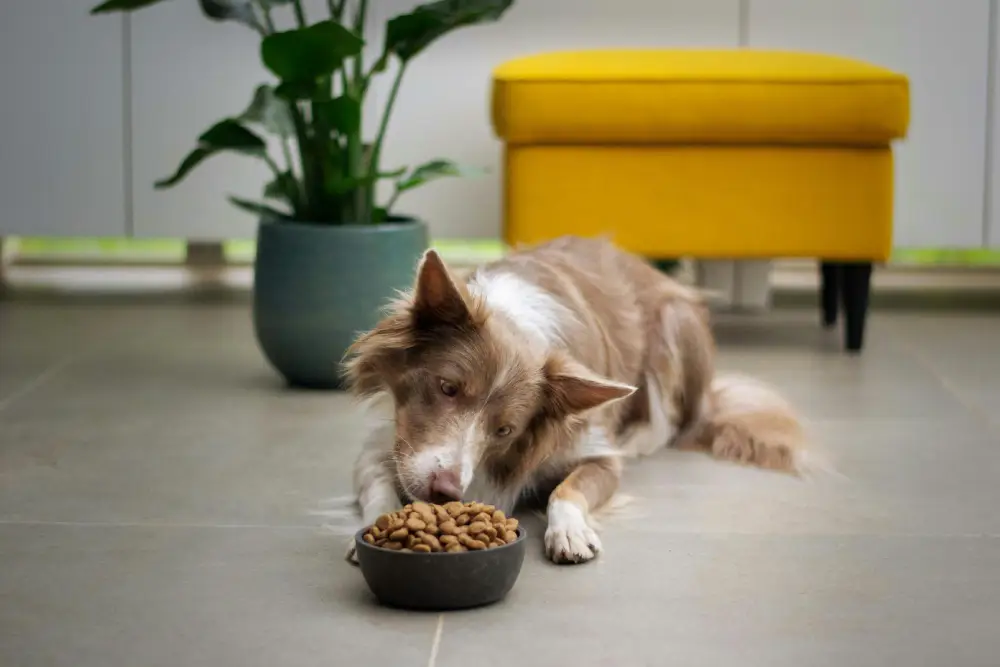
Your dog’s gut does far more than just digest food, it plays a key role in their immune system, skin health, energy levels and overall wellbeing. If your dog struggles with issues like a sensitive stomach, itchy skin or inconsistent stools, supporting their gut health can make a real difference.
That’s where prebiotics and probiotics come in. Prebiotics and probiotics are both used to support gut health, but they work in different ways. Prebiotics are plant-based fibres that feed the good bacteria already in your dog’s gut, while probiotics are live beneficial bacteria that help restore balance when it’s disrupted.
Do dogs really need them? Not every dog strictly needs them, but many can benefit, especially those with sensitive digestion, skin issues or after illness. Used correctly and in the right amounts, they can help support a healthier, more balanced gut over time.
What is gut health and why is it important for dogs?
Gut health refers to the balance of bacteria and microorganisms living in your dog’s digestive system, often called the gut microbiome. A healthy gut contains the right balance of both ‘good’ and ‘bad’ bacteria to help support digestion, nutrient absorption and overall wellbeing.
When your dog’s gut is balanced, it can positively impact several areas of their health:
- Digestion – helps break down food and absorb nutrients efficiently
- Immune system – a large part of your dog’s immune system is linked to the gut
- Skin and coat – gut imbalances can contribute to itching and irritation
- Energy levels – better digestion supports overall vitality
- Behaviour – the gut-brain axis links gut health to mood and stress responses
When the gut bacteria become unbalanced, it can lead to issues such as digestive upset, sensitivities or skin problems. That’s why supporting gut health through the right diet and supplements, such as prebiotics and probiotics, can play an important role in keeping your dog healthy long-term.
Signs your dog may need gut support
Gut health issues don’t always show up as obvious digestive problems. Here are some common signs your dog may benefit from prebiotics or probiotics:
- Loose or inconsistent stools
- Excessive gas or bloating
- Bad breath
- Itchy or irritated skin
- Dull coat
- Low energy levels
- Frequent digestive upset
If you’re noticing a combination of these, improving gut health can often help address the root cause. In some cases, switching to a plant-based diet may also be beneficial, especially for dogs with sensitivities or allergies as it can provide gentle, fibre-rich support that works alongside prebiotics and probiotics to help rebalance the gut.
However, if these symptoms are ongoing or persistent, it’s important to consult your vet first to rule out any underlying health conditions.
Prebiotics vs probiotics for dogs – what’s the difference?
Understanding the difference is key to choosing the right gut support for your dog.
| Prebiotics | Probiotics | |
| What they are | Non-digestible plant fibres that feed beneficial gut bacteria | Live beneficial bacteria that support gut balance |
| What they do | Nourish and strengthen existing good bacteria | Introduce new good bacteria into the gut |
| Why use them | To support long-term digestive health and maintain gut balance | To quickly restore gut balance during upset or disruption |
| Best for | Daily gut health, recovery after illness, supporting long-term skin & coat health | Short-term support, allergy & skin relief, reduce stress & anxiety |
| Who they’re for | Dogs with sensitive stomachs, mild digestive issues or on plant-based diets | Dogs with diarrhoea, after antibiotics, stress, or sudden digestive upset |
| Speed of effect | Gradual, builds over time | Faster-acting, more immediate support |
| Natural ingredients | Banana, chicory root, oats, pumpkin, sweet potato, specific yeast extracts | Mostly found in supplements or fortified products |
| Daily use | Ideal for everyday use | Best used as needed or in short courses |
Do dogs need prebiotics, probiotics, or both?
This depends on the circumstances of each individual dog. Prebiotics and probiotics each have different functions and each play a different role in maintaining gut health.
When prebiotics are enough:
- For daily digestive support
- To maintain gut balance
- For dogs on a natural or plant-based diet
- For long-term gut health maintenance
When probiotics are helpful:
- After antibiotics
- During digestive upset e.g. diarrhoea
- During stress (travel, routine changes)
- For short-term gut support
When both are best:
- Ongoing gut issues
- Skin and coat problems
- Sensitive digestion
- Immune support
Which Dog Breeds Benefit Most from Pre and Probiotics?
These breeds are typically prone to sensitive digestion or long-term gut imbalance, where consistent support from prebiotics is key:
- German Shepherds – sensitive digestive systems
- Labradors – prone to overeating and gut imbalance
- Golden Retrievers – benefit from fibre-rich digestive support
- French Bulldogs – sensitive stomachs and gas
These breeds are more likely to experience flare-ups, stress-related digestive issues or imbalances and would benefit from probiotics:
- Boxers – prone to food sensitivities
- Cocker Spaniels – linked to skin and gut issues
- Dachshunds – sensitive to dietary changes
- Chihuahuas – stress-related digestive upset
Highly active or working breeds may benefit from additional probiotic support, especially during periods of stress. Physical activity, training, travel and stimulation can increase stress levels, which may impact the gut. Supporting the gut microbiome can help maintain balance and support the gut-brain axis.
As dogs get older, changes in their digestive system can make gut support even more important. Senior dogs often experience slower digestion, reduced nutrient absorption and increased sensitivity, which can impact their overall wellbeing. A combination of prebiotics and probiotics can be especially beneficial at this stage.
Common Mistakes to Avoid
- Using human probiotics:
Human probiotics or probiotic supplements intended for other species should never be fed to dogs. Probiotics are known as feed additives, which means their usage is tightly controlled, including the strain authorised for use, the species the strain is intended for and the amount to be fed. This is tightly regulated through review of extensive scientific literature.
Probiotic supplements and dog foods containing probiotics are carefully formulated to ensure the correct probiotic strains are given at the right amounts.
- Being inconsistent:
Gut health isn’t a one-off fix. Prebiotics in particular work over time, so regular, consistent use and patience is key to seeing benefits.
- Over-supplementing:
More isn’t always better. Giving more than your dog needs, particularly with probiotics, can sometimes lead to mild digestive upset rather than improvements. Always follow recommended guidelines.
- Ignoring your dog’s diet:
Gut health starts with what your dog eats daily. A poor-quality diet can limit the effectiveness of supplements, while a natural, fibre-rich, plant-based diet can help support a healthier gut environment.
- Not addressing underlying issues:
Prebiotics and probiotics can support gut health, but they don’t replace proper care. Ongoing symptoms should always be properly assessed by your vet.
Final Thoughts
Supporting your dog’s gut health doesn’t need to be complicated. By understanding the difference between prebiotics and probiotics, and knowing when to use each, you can make effective choices that support your dog’s digestion and overall wellbeing.
Choosing the right gut support comes down to your dog’s individual needs. For everyday digestive health, prebiotics help maintain balance over time, while probiotics are useful for short-term support during issues like diarrhoea, stress or after antibiotics. Dogs with ongoing sensitivities or skin issues often benefit most from a combination of both.
Diet also plays an important role. A natural, fibre-rich diet, including plant-based options, can provide gentle, ongoing prebiotic support, helping to create the right environment for beneficial gut bacteria to thrive.
A growing body of research shows that a balanced gut microbiome plays an important role in digestion, immunity, and even behaviour in dogs.
If you’re looking to support your dog naturally, you can explore Hownd’s range of plant-based food and treats, which include natural prebiotic ingredients to help nourish beneficial gut bacteria and support digestive health.
With the right balance of nutrition and gut support, small, consistent changes can make a big difference to your dog’s health over time.
Yes, puppies can have probiotics, as long as they’re specifically made for dogs and age-appropriate. They can help support digestion, especially during weaning, diet changes or stress. Always follow the recommended dosage and check with your vet if your puppy is very young or unwell.
No, prebiotics aren’t better than probiotics as they simply serve different roles. Prebiotics feed the good bacteria already in your dog’s gut, supporting long-term digestive balance, while probiotics add beneficial bacteria to help restore balance more quickly.
The best treats for gut health are those that include natural prebiotic ingredients like chicory root, which help feed beneficial gut bacteria and support digestion. Plant-based treats can be a great option, especially for dogs with sensitivities. Hownd’s wellness treats such as Got An Itch? and Yup You Stink!, contain chicory root to help support a healthy gut as part of your dog’s daily routine.
Probiotics can start to work within a few days, but most dogs show noticeable improvements in digestion within 1–2 weeks. The exact timing depends on your dog’s condition, mild issues may improve quickly, while ongoing or more severe imbalances can take longer. Consistent use is key for the best results.
It is very rare for prebiotics to cause diarrhoea in dogs. Prebiotics added to carefully formulated foods and supplements are typically only added in relatively small amounts. Using foods such as sweet potato and pumpkin as sources of prebiotic fibres can cause diarrhoea if introduced too quickly or given in large amounts
Chicory root (rich in inulin) is often considered the best natural prebiotic for dogs, as it effectively feeds beneficial gut bacteria and supports digestive balance. Ingredients such as pumpkin, sweet potato and oats do contain some beneficial prebiotic fibre. Many of these ingredients are included in Hownd’s plant-based dog food and treats.
Photo by Ayla Verschueren on Unsplash