

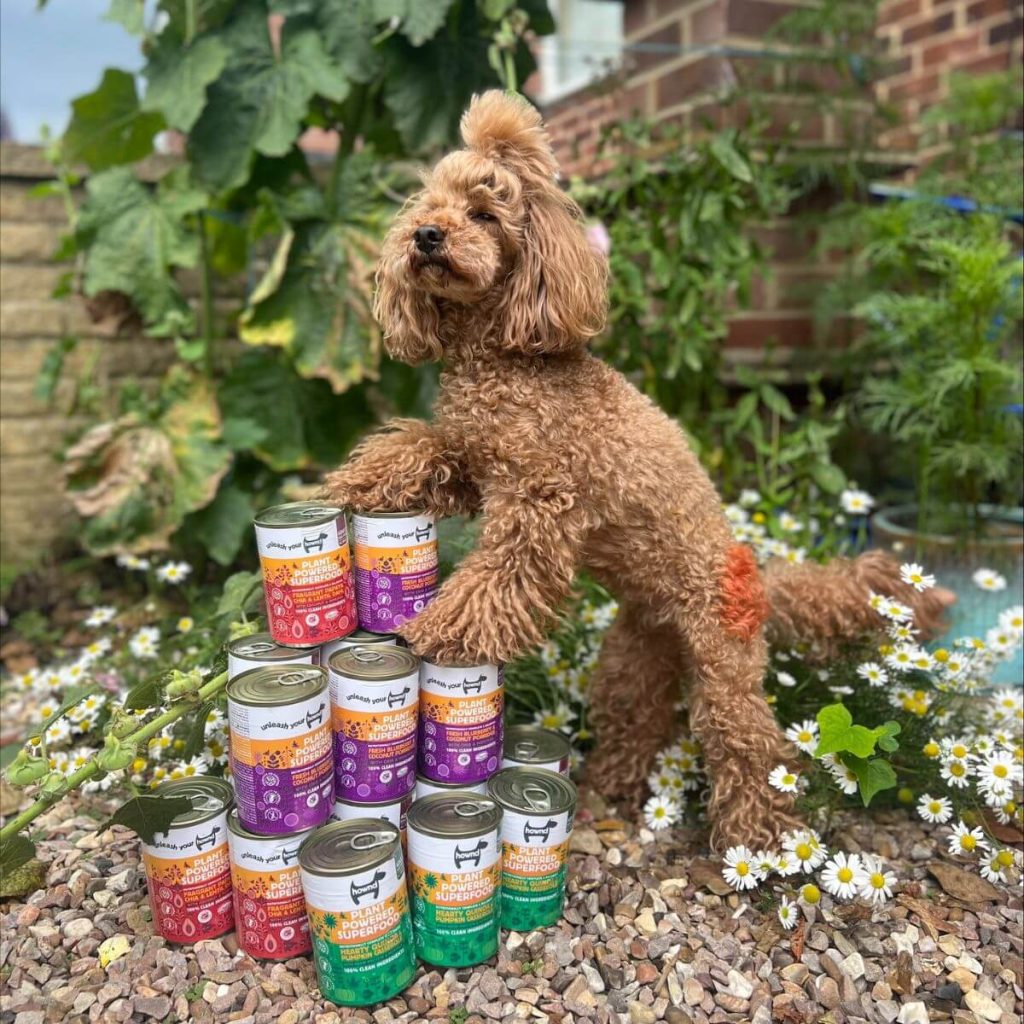
Just like people, dogs can struggle with food intolerances and allergies that leave them itchy, uncomfortable, or unwell. The good news? Some diets are carefully developed to avoid the most common triggers, giving sensitive pups a chance to feel their best. But what makes these foods different, and can hypoallergenic food really improve your dog’s long-term health and wellbeing?
In this blog, we’ll explore what makes a dog food hypoallergenic, the key benefits it can offer, and how to recognise the signs of food allergies in your pet. By understanding the role diet plays in your dog’s health, you’ll be better equipped to choose the right food to help them thrive, inside and out.
What is hypoallergenic dog food?
The term “hypoallergenic” means less likely to provoke an allergic reaction. When it comes to dog food, this refers to recipes carefully designed to minimise the chance of your dog reacting to certain ingredients. While no food can be guaranteed to be completely allergy-proof, hypoallergenic dog food is formulated with ingredients that are gentler on your dog’s digestive system and less likely to trigger common allergies.
Dogs, like humans, can develop sensitivities or allergies to specific ingredients in their diet. In many cases, the trigger can be traced back to common pet food ingredients that are used widely in the industry. Hypoallergenic formulas address this by removing or replacing these ingredients with alternatives that are easier for sensitive dogs to tolerate.
Typical common allergens for dogs include:
- Animal proteins such as beef, chicken, and lamb
- Grains and fillers like wheat, corn, soy, and gluten
- Dairy products such as milk or cheese.
For further insight into dog allergies and nutrition, check out Veterinary Skin & Ear’s website and their podcast, which offer helpful, in-depth guidance.
To reduce the likelihood of reactions, hypoallergenic dog foods often use novel proteins, meaning protein sources that your dog hasn’t eaten before, such as duck, salmon, or plant-based proteins. They may also include limited ingredients to make it easier to identify and avoid specific triggers. Some high-quality options focus on plant-powered or grain-free recipes, which can be especially beneficial for dogs with a range of sensitivities. Our complete and balanced wet food is naturally hypoallergenic and carefully formulated for dogs with sensitivities, offering all the added nutritional benefits of a wholesome vegan recipe.
It’s also important to note that every dog is different. What causes an allergic reaction in one dog might be perfectly fine for another. That’s why reading ingredient labels carefully is key; even hypoallergenic foods can contain something your dog reacts to. If you’re unsure, it’s best to work with your vet to identify allergens through an elimination diet or allergy testing.
In short, hypoallergenic dog food aims to provide balanced, nutritious meals that support your dog’s health without causing discomfort or allergic reactions. If you think your dog is suffering from allergies, choosing the right hypoallergenic formula can help your furry friend enjoy mealtimes again with less itching, more energy, and overall better well-being.
How to identify allergies?
Dogs can experience a range of symptoms that indicate a possible food allergy or intolerance. These reactions often affect the skin and digestive system, but the signs can vary from one dog to another. It’s important to rule out environmental or seasonal causes such as pollen, dust mites, or flea bites before linking symptoms to food.
If you suspect your dog’s diet may be the cause, consult your veterinarian for guidance. Your vet will likely recommend an elimination diet, where one or more ingredients are removed for a set period and then gradually reintroduced. This helps identify which specific ingredient is responsible for the allergic reaction. The process requires patience, but it is the most reliable way to confirm a food allergy.
Common symptoms of food allergies or intolerances in dogs include:
- Itchy skin, especially around the ears, paws, or belly
- Red, inflamed skin or rashes
- Chronic ear infections or frequent head shaking
- Digestive problems, such as diarrhoea, vomiting, or excessive gas
- A sore or tender stomach when touched.
- Persistent licking, biting, or chewing at certain areas of the body.
In more severe cases, food allergies can also lead to hair thinning, dull coats, or unexplained weight loss if left untreated. As these symptoms can overlap with other conditions, a veterinary assessment is essential for an accurate diagnosis.
Once the allergen has been identified, transitioning to a hypoallergenic or limited-ingredient diet can significantly improve your dog’s comfort, digestion, and overall well-being.
Does my dog need hypoallergenic food?
Many dogs can benefit from a hypoallergenic diet, even if they’ve never been formally diagnosed with food allergies. A high-quality, plant-powered formula like HOWND, packed with natural nutrients, can support your dog’s skin, bones, energy levels, mood, and weight, all while staying gentle on their digestive system and kind to the planet. And while it isn’t a requirement for dogs who don’t need a strictly hypoallergenic diet, incorporating these foods alongside their regular meals can still be a nourishing, health-boosting choice.
However, if you suspect that your dog may have an allergy or intolerance that requires a specific diet, it’s important to start by consulting your veterinarian. Your vet can help identify the cause of your dog’s symptoms and recommend the best course of action for their individual needs.
As explained earlier, one of the most common diagnostic methods is a food elimination trial. This involves removing potential allergens from your dog’s diet and gradually reintroducing them to see which ingredient triggers a reaction. Your vet may also suggest additional tests, such as:
- Skin tests, which can quickly show reactions but may risk mild irritation or allergic responses.
- Blood or saliva tests, which can provide clues about sensitivities but don’t always cover all allergens and may produce inconsistent results.
While these tests can offer useful insights, they are often costly and not always definitive, which is why veterinarians typically recommend starting with a diet-based approach first.
The good news is that introducing hypoallergenic food into your dog’s routine is a safe and beneficial step, even if your dog doesn’t have a confirmed allergy. Because it avoids the most common allergens found in traditional pet foods, a hypoallergenic diet can help reduce the risk of irritation, support overall well-being, and keep your furry friend thriving.
Is hypoallergenic the same as grain-free?
Although the terms “hypoallergenic” and “grain-free” are often used interchangeably, they don’t mean the same thing. A helpful way to think about it is this: most hypoallergenic dog foods are grain-free, but not all grain-free dog foods are hypoallergenic.
Grain-free recipes simply remove grains such as wheat, corn, or barley, which can help dogs with sensitivities to these ingredients. However, food allergies can also be triggered by other common allergens like certain proteins (e.g., beef or chicken), dairy, or soy. This means that while grain-free food may benefit some dogs, it won’t necessarily address all allergy-related issues.
To truly protect your pet, it’s important to understand what specific ingredients they react to and choose a diet that avoids them. If you want a balanced, reliable option that covers all bases, Hownd offers both hypoallergenic and grain-free dog food, designed to be gentle on sensitive stomachs, nourishing for the skin and coat, and protective for your dog from head to tail.
Understanding whether your dog has food allergies or intolerances is the first step toward helping them feel more comfortable, energetic, and healthy. By identifying potential triggers, you can choose foods that not only prevent allergic reactions but also support your dog’s overall well-being.
A hypoallergenic diet offers numerous benefits, from soothing itchy skin and improving digestion to boosting energy levels and maintaining a healthy coat. It’s a gentle yet effective way to care for dogs with sensitivities while giving them all the nutrients they need to thrive.
If you think your dog could benefit from this kind of nutrition, try Hownd’s naturally hypoallergenic dog food and treats. Made with plant-powered, superfood ingredients, Hownd products nourish your pet from the inside out, and with our range of dog grooming products, you can protect their skin and coat on the outside too.
And remember, always consult your vet before making major changes to your dog’s diet or if you suspect an allergy. With the right guidance and the right food, your best friend can enjoy a happier, healthier life.